Paprika: Types, Flavor Profiles, and Substitutes
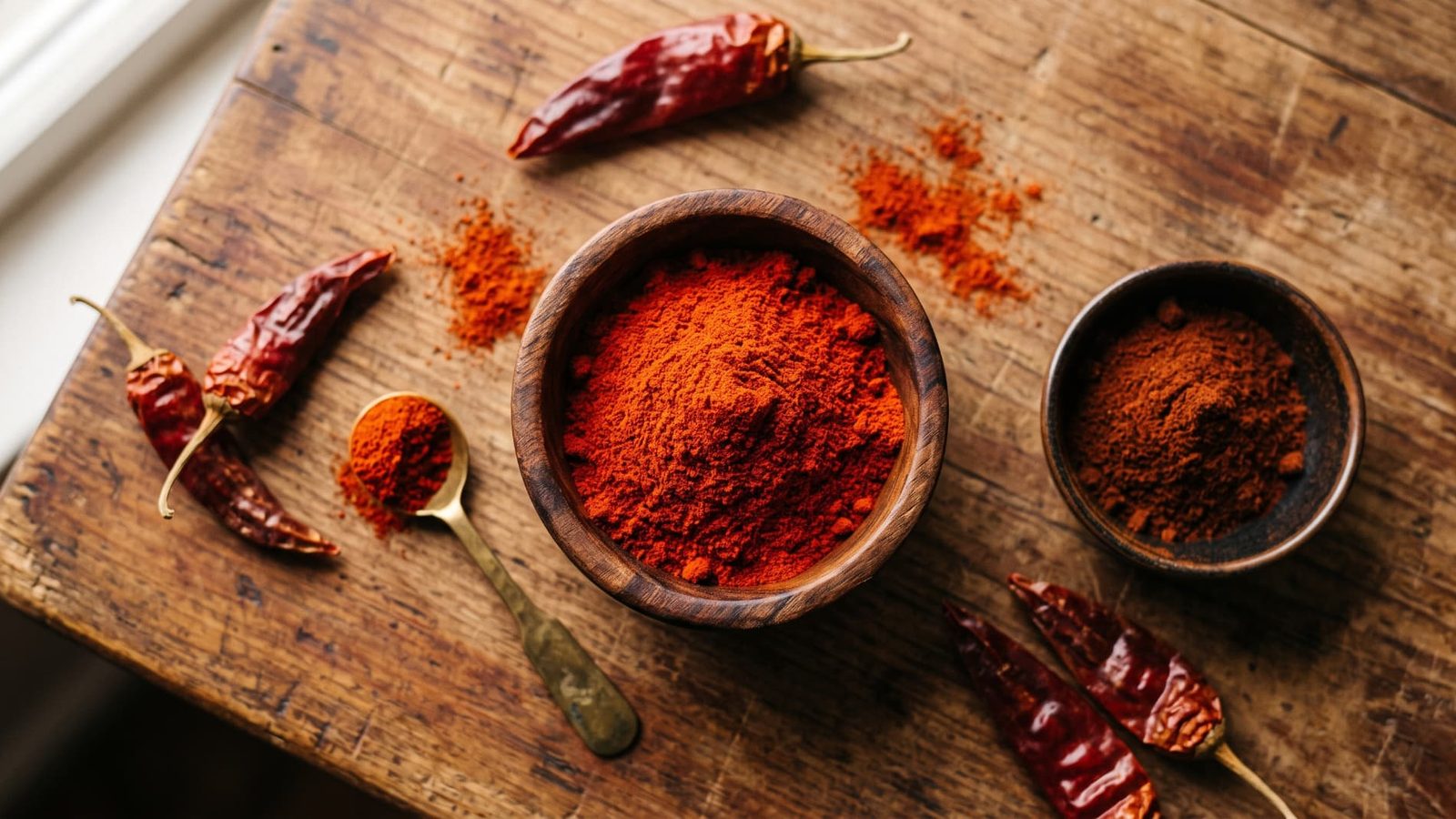
There's a jar of paprika in almost every spice rack in America, and most of it just sits there getting dusted on deviled eggs for color. Which is a shame, because paprika has range: it can be sweet, smoky, or genuinely hot depending on which jar you grabbed, and knowing the difference is the whole trick to using it well.
What Is Paprika?
Paprika is a spice made from dried and ground Capsicum annuum peppers, the same pepper species behind bell peppers and jalapeños. The peppers used for paprika are grown specifically for color and flavor, then dried and milled into a fine red powder.
The peppers themselves originated in Mexico and Central America, where they were cultivated for thousands of years before Christopher Columbus brought them back to Spain in the 1490s. From there, they spread through Europe via Balkan and Ottoman trade routes and reached Hungary by the late 1500s. Hungary is where paprika really became a national ingredient, and Hungarian farmers spent the 19th and early 20th centuries breeding the fiery original peppers into the milder, sweeter varieties most people associate with "paprika" today. Spain took a different path, smoking its peppers over oak before grinding them, which is where smoked paprika comes from.
So despite the name sounding Hungarian (it comes from the Hungarian word for pepper), paprika is a New World spice that two different countries shaped into two very different products.
Sweet vs. Smoked vs. Hot Paprika
Not all paprika is the same jar with a different label. The three main types differ in both flavor and heat:
- Sweet paprika (sometimes labeled Hungarian sweet paprika) is the most common type on grocery shelves. It has little to no heat and a mild, slightly fruity pepper flavor.
- Smoked paprika (Spanish pimentón) is made from peppers smoked over oak fires before grinding, giving it a deep, campfire-like flavor. It comes in its own sweet, medium (agridulce), and hot versions, so "smoked" and "spicy" aren't the same thing.
- Hot paprika is made from hotter pepper varieties and carries real heat, though it's still generally milder than cayenne. Hungarian hot paprika (csípős) is the most common hot version.
If a recipe just says "paprika" with no qualifier, it almost always means sweet paprika.
Paprika vs. Pimentón: Are They the Same Thing?
Yes, with a translation caveat. Pimentón is simply the Spanish word for paprika, and Spanish pimentón is traditionally smoked, which is why "pimentón" and "smoked paprika" often get used interchangeably.
Spanish pimentón comes in three grades, all smoked:
- Pimentón dulce – sweet, no heat
- Pimentón agridulce – bittersweet, mild heat
- Pimentón picante – hot
Hungarian paprika, by contrast, isn't smoked by default, it's just sun or kiln dried. So all pimentón is paprika, but not all paprika is pimentón. If a recipe calls for pimentón and you only have regular sweet paprika, you'll get the color and none of the smoke.
Best Paprika Substitutes
- Cayenne pepper: Much hotter than paprika, so use about ¼ to ½ teaspoon of cayenne per 1 teaspoon of paprika, then adjust to taste.
- Chili powder: Works for color and mild flavor, but it's already a blend (often containing paprika, plus cumin and other seasonings), so it won't taste identical. Start with less than the recipe calls for.
- Ancho chile powder: The closest match in sweetness and depth, but more concentrated. Start with about half the amount of paprika called for and adjust to taste.
- Cajun seasoning: Works well in savory dishes since most blends already include paprika; use it to taste.
Paprika FAQ
Is paprika gluten-free?
Yes. Pure paprika is just dried, ground peppers, and peppers don't contain gluten. The only risk is cross-contamination or added fillers in blends, so check the label for a certified gluten-free mark if you're managing celiac disease.
Is paprika low FODMAP?
Yes. Paprika is Monash University-tested as low FODMAP in servings up to 1 teaspoon (about 2 grams). The risk comes from blends that sneak in onion or garlic powder.
How do you pronounce paprika?
Most commonly "puh-PREE-kuh" in the US, though "PAP-rih-kuh" is also widely used and correct.
Does paprika go bad?
Not in a food-safety sense. But it loses color, aroma, and flavor over time. Ground paprika stays at peak quality for about 2 to 4 years in an airtight container away from heat and light, though some sources recommend refreshing your jar every 6 to 12 months for the strongest flavor.
What's the difference between paprika and chili powder?
Paprika is a single ingredient. Chili powder is a blend that typically includes paprika alongside cumin, garlic powder, and cayenne.
Chicken paprikash may be the dish most people think of first when it comes to cooking with paprika. If you need to know how much chicken you'll need, our Chicken Calculator can help you figure out portions before you start.