Squash the Confusion: Squash Varieties, Uses, and Skins
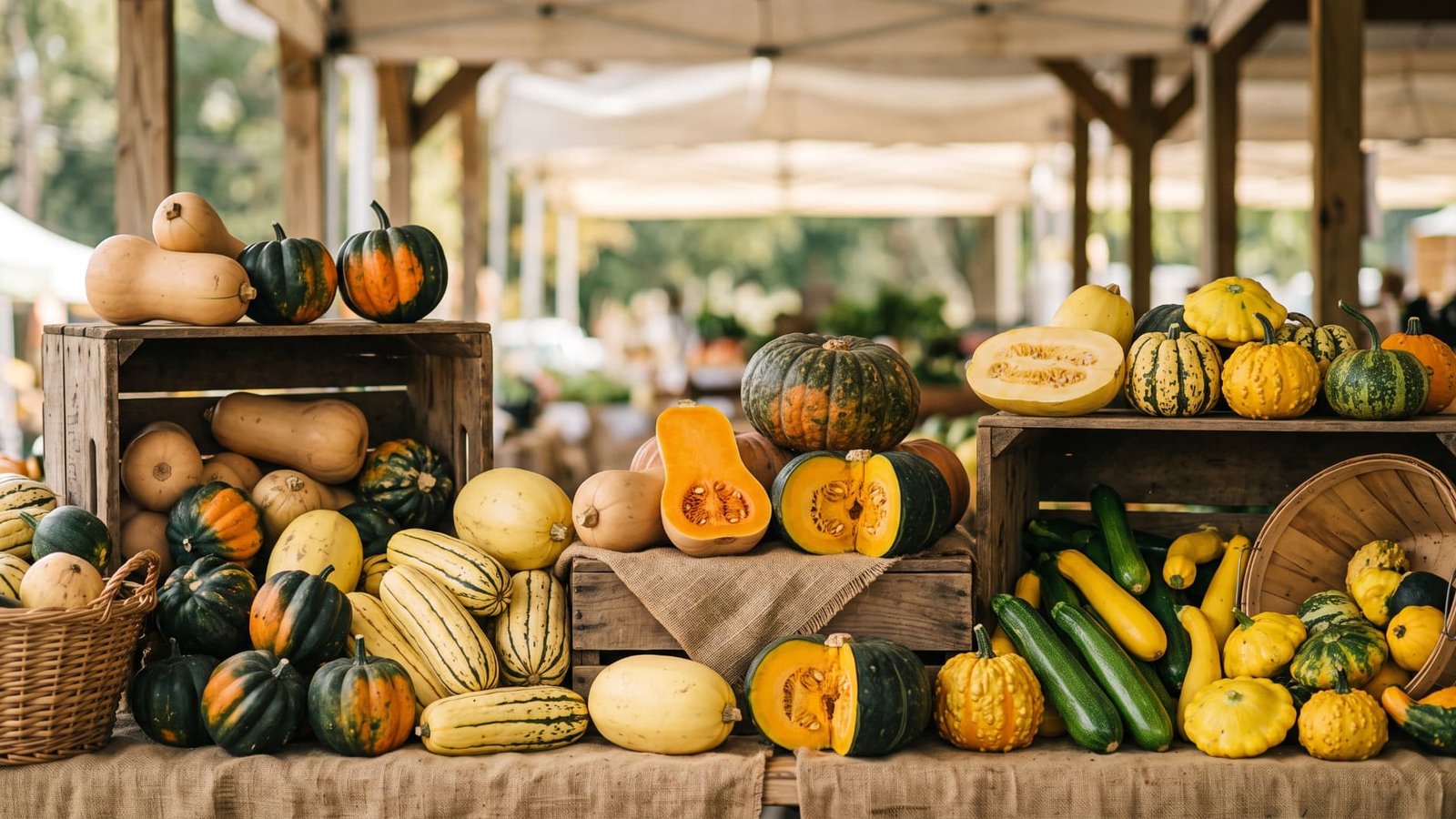
Squash comes in dozens of shapes, some skins are delicious while others are like armor, and the signs of ripeness are easy to miss. Here's how to spot them. Is it a fruit or a vegetable? Can you eat the skin? Let's squash the confusion.
This guide covers what squash is, the difference between winter and summer squash, a quick varieties guide, which skins are worth eating, how to cook any squash, when to harvest it, and whether your dog can share a bite.
(Looking for the sport? This guide is about the vegetable.)
What Is Squash?
Squash is the edible fruit of plants in the genus Cucurbita, part of the gourd family that also includes cucumbers and melons. Pumpkins and zucchini are both types of squash.
Is squash a fruit or a vegetable? Both, depending on who you ask. Botanically, squash is a fruit, a berry-type called a pepo that grows from the flower's ovary and holds the seeds. In the kitchen, it's treated as a vegetable because it's savory and cooked in savory dishes.
Is zucchini a squash? Yes. Zucchini is a summer squash.
Is a pumpkin a squash? Yes. Pumpkins are a type of winter squash.
Winter Squash vs. Summer Squash
The two groups are named for when they're harvested and how they're used.
- Summer squash is picked young, while the skin is still tender and the fruit is small. It's soft, cooks quickly, and doesn't store long. Think zucchini, yellow squash (crookneck and straightneck) and pattypan.
- Winter squash is picked at full maturity in the fall, then cured so the skin hardens. It has dense flesh, a tough rind and a long shelf life, and it takes longer to cook.
A Quick Varieties Guide
| Squash | Type | What to know |
|---|---|---|
| Butternut | Winter | The most popular winter squash. Sweet, nutty, orange flesh with a long neck and bulb-shaped base. |
| Honeynut | Winter | Looks like a mini butternut, with a thinner skin and a sweeter flavor. Easy to swap into butternut recipes. |
| Acorn | Winter | Deep ridges and a smaller size. Hard to peel but easy to halve and roast. |
| Delicata | Winter | Thin, striped, tender skin, so no peeling needed. |
| Spaghetti | Winter | Cooked flesh pulls apart into strands, a popular pasta stand-in. |
| Kabocha | Winter | A round, squat Japanese squash with dark green skin. Dense and sweet. |
| Buttercup, red kuri, hubbard, turban | Winter | Less common. Many have very thick, tough skin. |
| Carnival, sweet dumpling | Winter | Less common. Prepare them like the other winter squash above. |
| Pumpkin (sugar/pie) | Winter | Smaller pie pumpkins have denser flesh than carving pumpkins. |
| Zucchini, yellow squash, pattypan | Summer | Tender, mild and quick-cooking. Skin is always edible. |
Which Squash Skins Can You Eat?
The short answer is that squash skin is generally safe to eat. The better question is which skins are worth eating, because some never get tender.
- Eat it: delicata, honeynut and acorn (when roasted until soft), plus all summer squash.
- Maybe: kabocha. After a long cook the skin gets soft and good, but some cooks prefer it peeled. Smaller, younger butternut can have tender skin too.
- Usually peel it: spaghetti squash, hubbard, red kuri and sugar pumpkin. Butternut is often tough after a standard roast.
The USDA's WIC Works program notes that you can skip peeling delicata and acorn squash because their skin is usually less tough (USDA WIC Works: Winter Squash).
Tip: If you're cooking halves, leave the skin on during cooking. It helps the squash hold together and stay moist, and you can scoop out the flesh afterward.
When Squash Tastes Bitter, Don't Eat It
Squash can contain a bitter compound called cucurbitacin. Farmed squash from the store normally has only trace amounts. Occasionally, though, a squash has high levels, especially when the plant was stressed by heat, drought or insects, or when it cross-pollinated with a wild gourd. This is more of a risk with home-garden and volunteer squash.
High-cucurbitacin squash tastes very bitter but looks and smells normal. Eating it can cause a condition sometimes called "toxic squash syndrome," with stomach symptoms like vomiting and diarrhea. It's rare, and the rule is simple:
- Taste a small bite of raw squash before cooking, especially if it's from a garden or you don't know where it came from.
- If it's bitter, throw it out. Don't cook it, and don't feed it to pets.
- If you think you ate bitter squash and feel sick, contact Poison Control at 1-800-222-1222.
How to Cook Squash
You don't need a separate method for every variety. Cooking time depends mostly on cut size and density.
Prep first
- Softening a tough squash: poke holes in the rind and microwave the whole squash for 2 to 5 minutes. It will be much easier and safer to cut.
- Peel or not: peel tough-skinned squash if you're cubing it. Leave the skin on halves, rings and wedges of thin-skinned squash.
- Seeds: scoop them out. You can rinse and roast them as a snack.
Methods and times
| Method | Setting | Time |
|---|---|---|
| Roast / bake cubes or slices | 350-425°F | About 20-35 minutes |
| Roast / bake halves | 350-425°F, cut side down | About 40-55 minutes, longer for large or dense squash |
| Bake whole | 350°F | About 45 minutes or until tender (larger squash take longer) |
| Microwave cubes | High | 5-8 minutes |
| Microwave halves | High | 8-12 minutes |
| Steam or boil cubes | Medium-high | About 10-25 minutes, depending on piece size |
| Sauté | Medium | About 15-25 minutes |
Higher oven heat gives more browning, and smaller pieces cook faster. Convection ovens run faster, so check early. Summer squash cooks much faster than winter squash, usually in just a few minutes on the stovetop.
Serving butternut squash soup to a crowd? The Soup Bar Calculator helps you work out how much to make.
How to tell it's done
Go by texture, not the clock. The flesh should be easy to pierce with a fork, like a baked potato. If you stuff the squash with meat or eggs, the filling still needs to reach its own safe cooking temperature.
When to Pick Squash (Harvest and Ripeness)
If you grow your own, timing matters. Winter squash should be fully mature before you pick it. Summer squash is the opposite and is picked young.
Butternut squash
Look for several signs together, not just one:
- Color: solid, deep tan, with little or no green striping. Butternut turns tan 2 to 3 weeks before it's fully ready, so color alone isn't enough.
- Stem: brown, dry and corky, not green.
- Rind: hard enough that your fingernail doesn't pierce or mark it.
- Timing: harvest before the first hard frost. When in doubt, pick late, not early.
Spaghetti squash
Iowa State Extension says to harvest when the rind changes from ivory white to golden yellow. Leave about an inch of stem on the fruit.
Other winter squash
The same signs apply: hard rind (the fingernail test), a dry stem and a deeper rind color. After picking, cure winter squash in a warm, dry place so the skin hardens fully, which helps it store longer. Under-ripe winter squash is still safe to eat, but it won't store as long or taste as good.
Summer squash
Pick zucchini and yellow squash while they're small and the skin is still tender. They're ready much sooner and don't need curing.
Can Dogs Eat Squash?
Yes, in most cases, with some preparation. Veterinary sources, including the AKC's chief veterinarian, say squash is safe for dogs when it's prepared correctly:
- Cook it and keep it plain. No butter, salt, garlic, onion or sweet pie spices.
- Remove the seeds, skin and rind. They're hard to digest and can be a choking or blockage risk.
- Serve small amounts. Squash is a treat, not a meal.
- Skip pumpkin pie filling. It can contain sugar, spices and xylitol, which is toxic to dogs. Plain, unsweetened pumpkin is fine.
- Never feed bitter squash. If it tastes bitter to you, throw it out.
Butternut, acorn, spaghetti, zucchini and plain pumpkin are commonly listed as safe choices. For less common varieties, or if your dog has health issues, check with your vet first. If your dog eats something they shouldn't have, call your vet or a pet poison hotline.
Quick Squash FAQ
Can you eat butternut squash skin?
Yes, it's safe, but it's often tough. Younger, smaller squash are more tender, and roasting until very soft helps.
How long does squash take to roast?
About 20 to 35 minutes for cubes and 40 to 55 minutes for halves at 350-425°F. Go by fork-tenderness.
Is squash good for dogs?
Plain, cooked squash without seeds, skin or rind is generally safe in small amounts.
How do you know when butternut squash is ripe?
Solid tan color, a dry brown stem and a rind your fingernail can't pierce.