Bananas Behaving Badly: Why Bananas Go Brown and Tips to Slow It Down
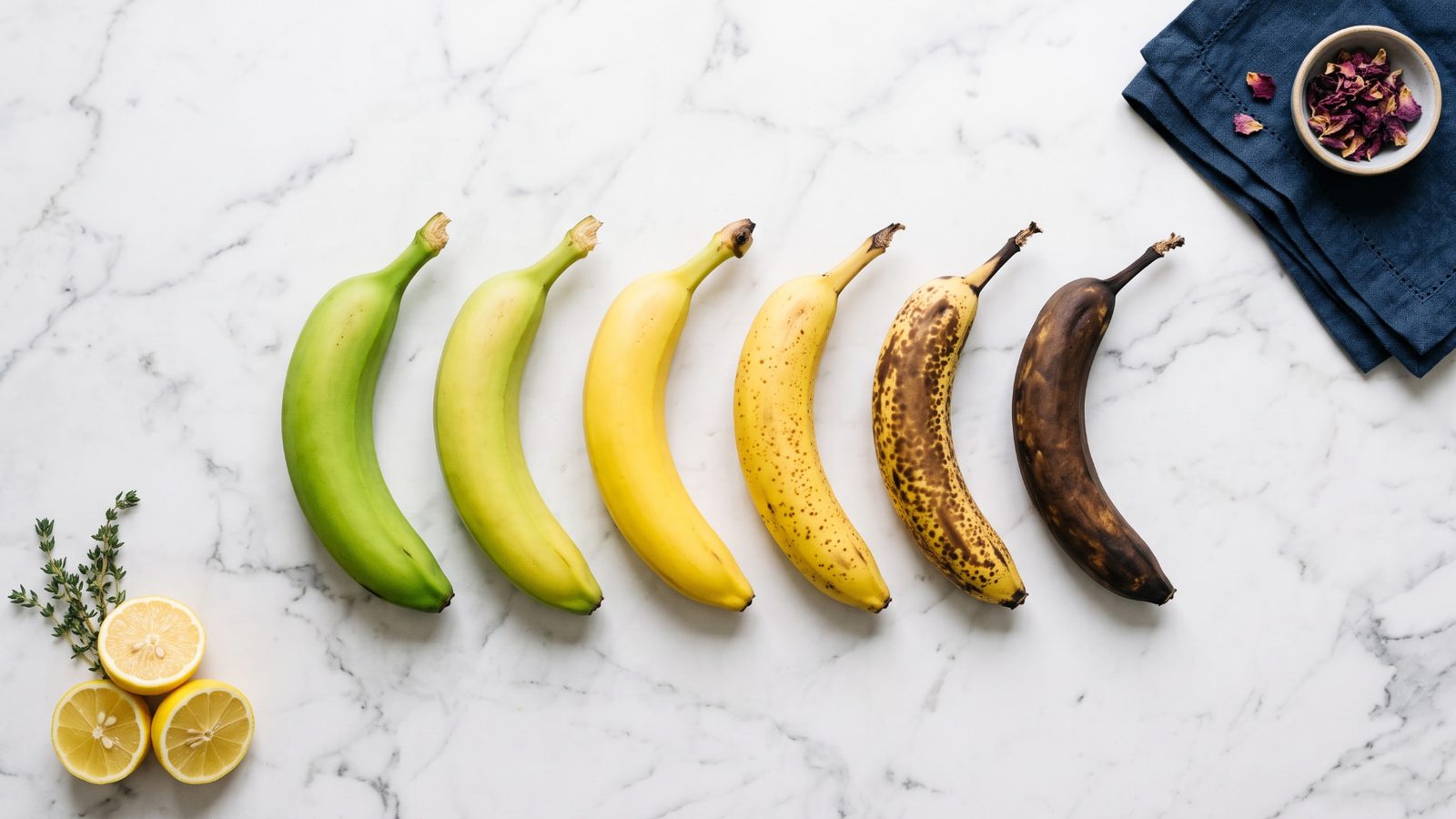
Bananas have exactly one speed setting: either not ready yet or suddenly past it. There is no in-between, and that window where they're perfect lasts roughly one afternoon. Here's how to understand what's happening, slow it down, speed it up, and rescue the ones that get away from you.
Why Do Bananas Turn Brown?
Bananas make their own ethylene, a natural ripening gas. It tells the fruit to break down its starch into sugar, soften up, and shift from green to yellow. Because bananas put out a lot of it, they keep going until the peel spots and then browns.
Not all brown is the same, though. There are four common kinds:
- Brown spots on the peel. This is ripeness, not spoilage. The starch has turned to sugar, so the banana is sweeter and softer. Still good.
- A peel that goes dark in the fridge. Cold stress makes bananas produce more ethylene and brown faster. The peel can turn nearly black while the fruit inside stays fine.
- Bruised brown patches. Bumps and pressure cause browning right where the damage happened. Cut off the bad spot and eat the rest.
- Brown cut slices. Once the fruit is exposed to air, it browns on its own. A little lemon or lime juice slows it down.
One myth worth clearing up: bananas don't turn brown because of iron. It's the ripening gas and enzymes doing the work.
When to toss it: mold, liquid leaking from the peel, or a sour, fermented smell. Brown alone isn't a reason.
How to Ripen Bananas Faster
Bananas ripen best somewhere warm, around 70 to 80°F. If you need them sooner, you have a few options.
| Method | Time | Best for |
|---|---|---|
| Paper bag with an apple, avocado, or ripe banana | A day or two | Eating and baking |
| Oven, unpeeled, at 300°F | 15 to 30 minutes | Baking only |
| Air fryer, unpeeled, at 300°F | About 8 to 10 minutes | Baking only |
| Microwave, peeled, in 30-second bursts | About a minute | Baking only |
The paper bag is the one to use if you plan to eat the banana as is. Fold the top loosely closed so the ethylene stays trapped but the bag still breathes. A plastic bag traps too much moisture.
The oven method softens and darkens the banana quickly, which is perfect for banana bread. For oven and air fryer, line the pan with parchment or foil, since the peels can split and leak. Heat doesn't make a banana sweeter the way real ripening does, so for baking you may want a little extra sugar if it tastes flat.
How to Store Bananas
Keep them at room temperature until they're ripe. Cold slows ripening in an odd way and darkens the peel.
A few habits make a real difference:
- Take them out of the plastic bag. Bags trap ethylene and speed things up.
- Keep them away from apples, tomatoes, and avocados, which also give off ethylene.
- Hang them or don't stack them. Bruising starts where the weight is.
- Wrap the stems in plastic wrap. This is a popular trick to slow ripening. Results vary, so think of it as worth trying rather than guaranteed.
Once they're ripe, the fridge buys you more time. The peel will darken, but the fruit inside stays good for about a week, sometimes longer.
Buying tip: If bananas always brown before you finish them, buy fewer at a time or pick a mix, some yellow and some still a little green, so they don't all ripen together.
How to Freeze Bananas
Freezing is the best rescue for bananas you can't eat in time. You can freeze them at nearly any stage of ripeness. Speckled ones are sweeter, and yellow ones are firmer and easier to slice.
- Peel them. You can freeze them in the peel, but they stick together and are harder to handle.
- Choose a shape. Slices are best for smoothies. Whole bananas are handy for baking, since you know exactly how many you're thawing. Mashed bananas in small portions work well for muffins and pancakes.
- Flash freeze slices first. Spread them in a single layer on a parchment-lined tray for an hour or two, then move them to a freezer bag. This keeps them from freezing into one giant clump.
- Label and date the bag.
Frozen bananas keep best for about 3 months. They're safe longer, but quality slowly drops.
When you thaw them, they'll release a pool of brown liquid. That's normal. For baking, you can mash the liquid right in, or pour some off if it looks like a lot.
What to Do With Overripe Bananas
- Banana bread and muffins
- Smoothies
- Stirred into oatmeal or pancake batter
For banana bread, check how many bananas your recipe calls for before you mash. If you only have a few, the Recipe Scaler will resize the whole recipe to match.
One exception: for frozen banana pops, firm yellow bananas hold their shape better than very ripe ones.
Banana FAQ
Are brown bananas safe to eat?
Yes. Brown spots mean the banana is ripe and sweeter. Cut away any bruised parts, and skip any banana that has mold or smells sour or fermented.
Should bananas go in the fridge?
Not while they're ripening. Once they're ripe, the fridge slows things down. The peel will darken, but the fruit inside is usually fine.
Do bananas have seeds?
Wild bananas do, and they're large and hard. The bananas at the store are bred to be seedless. They're sterile, and the plants are grown from shoots instead of seeds. The tiny dark specks in the center are undeveloped seeds, and they're harmless.
What's the difference between a plantain and a banana?
They're close relatives that look alike, but they aren't interchangeable. Plantains are larger, with thicker, tougher skin and starchier flesh, so they're usually cooked before eating, much like a potato. Bananas are softer and sweeter and are normally eaten raw. A very ripe plantain turns yellow, then black, and gets sweeter when cooked.
Why did my frozen bananas turn brown?
Cold weakens the peel's cells, so it browns in the freezer. The fruit is still fine, and the color doesn't hurt the taste.
Can dogs eat bananas?
Yes, in small amounts. The flesh is safe for most dogs, but bananas are high in sugar, so keep portions small, especially for puppies and for dogs that are overweight or diabetic. Skip the peel, which is tough to digest, and never share banana bread or banana pudding. If you're not sure how much is right for your dog, check with your vet.
Can cats eat bananas?
Bananas aren't toxic to cats, and a small taste is fine. They offer cats little benefit, since cats are built to eat meat, and too much can upset their stomach. Leave out the peel, and skip bananas completely for diabetic or overweight cats. If you're not sure whether bananas are right for your cat, check with your vet.