Seasoning 101: The Anatomy of a Steak Blend
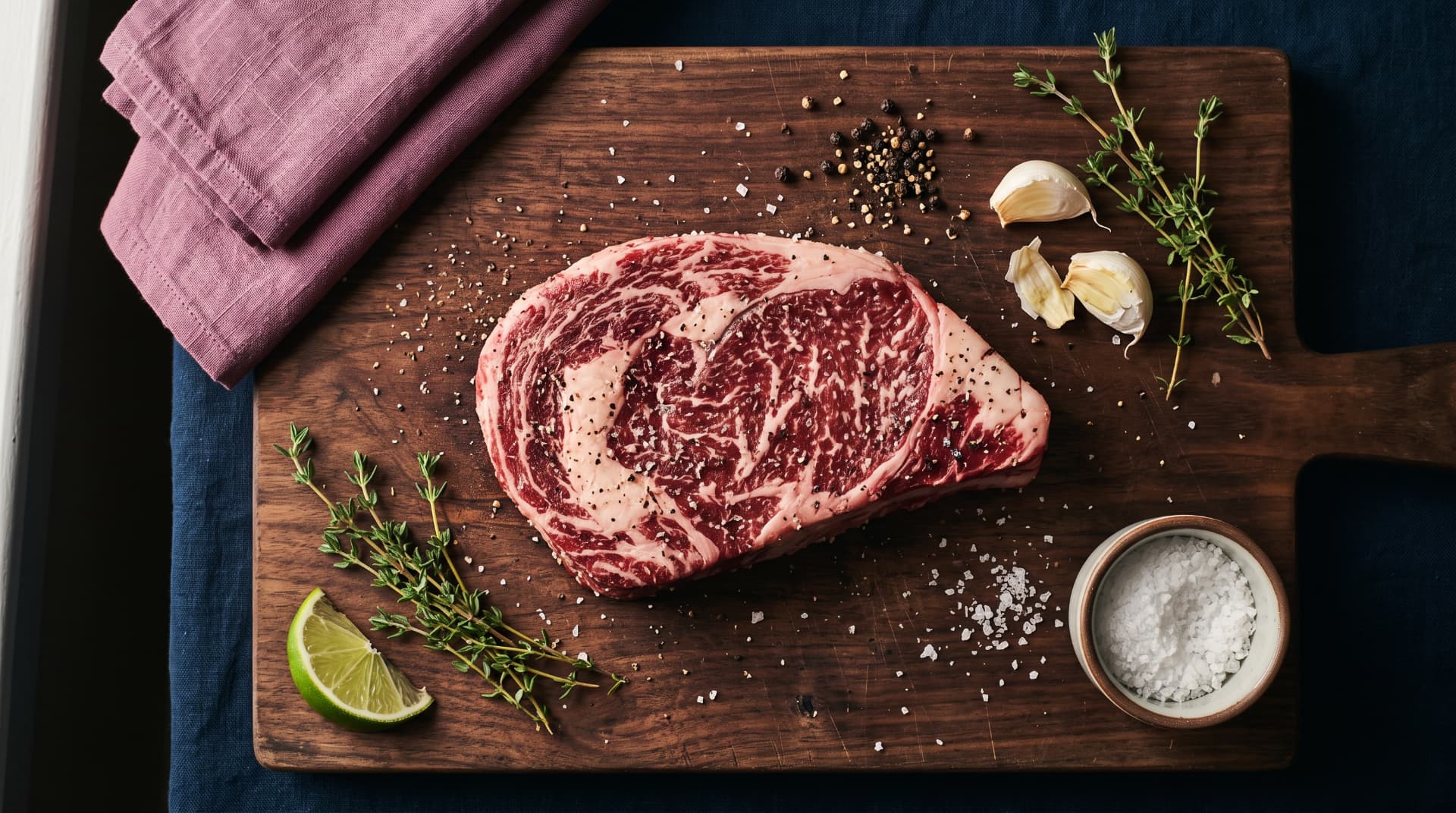
Salt and pepper will always get you somewhere. But "somewhere" and "steakhouse" are two different zip codes, and the gap between them is usually just a matter of knowing which blend belongs on which cut. A ribeye doesn't need much convincing. A flank steak needs a little more of a pep talk. Treat them the same and you'll end up with one steak that's perfect and one that's fighting you the whole way through.
This guide breaks steak seasoning down two ways: by cuisine, so you can match a flavor profile to whatever you're actually craving, and by cut, because a lean, thin piece of meat and a thick, marbled one are not playing the same game. There's also a straight answer on dry rub versus marinade, and the doneness temps you actually need to hit so you're not guessing with a fork.
Steak Seasoning by Cuisine
Every cuisine has its own answer to "what goes on steak." Here's a side-by-side so you can pick a lane before you start pulling spices out of the cabinet.
| Cuisine | Core Blend | Best For |
|---|---|---|
| American Steakhouse | Kosher salt, cracked black pepper, garlic powder, onion powder | Ribeye, NY strip, porterhouse |
| Cajun/Creole | Paprika, cayenne, garlic powder, onion powder, thyme, oregano | Blackened sirloin, flat iron |
| Mexican (Carne Asada) | Chili powder, cumin, lime juice, garlic, orange juice, cilantro | Skirt, flank |
| Argentinian (Chimichurri) | Parsley, oregano, garlic, red wine vinegar, olive oil, red pepper flakes | Flank, skirt, flat iron |
| French (Steak au Poivre) | Cracked peppercorn crust, butter, shallot, brandy or cognac | Filet mignon, NY strip |
| Korean BBQ | Soy sauce, brown sugar, garlic, sesame oil, ginger, gochujang | Flank, short rib, skirt |
| Mediterranean/Greek | Lemon, oregano, garlic, olive oil, rosemary | Sirloin, flat iron |
| Classic Peppercorn (Montreal-Style) | Coarse pepper, coriander, dill, garlic, mustard seed | Ribeye, strip |
A rule of thumb worth keeping: the leaner and thinner the cut, the more it can handle a bold, acidic blend. The richer and more marbled the cut, the less it needs.
Seasoning by Cut: Why One Rub Doesn't Fit All
Ribeye and New York Strip
These are the cuts that do most of the work themselves. Heavy marbling means the fat renders as it cooks and bastes the meat from the inside, so a simple kosher salt and cracked pepper base is genuinely enough. Garlic powder and fresh thyme are welcome additions if you want more depth, but a loud spice blend can actually compete with the flavor the marbling is already providing. Season generously, including the fat cap, and let it sit at room temperature for 30 to 45 minutes before cooking so the salt has time to work its way in.
Sirloin
Sirloin is leaner and milder than ribeye or strip, which means it benefits from either a stronger dry rub or a short marinade to make up for the flavor it doesn't have built in. This is a good cut to reach for a Cajun or Mediterranean-style blend, since it can carry more seasoning without getting overwhelmed. Sirloin also does well with a soy sauce or Worcestershire-based marinade for 30 minutes to a few hours before grilling.
Flank and Skirt Steak
These two get lumped together constantly, but they behave differently under a marinade. Skirt steak is thinner, fattier, and has a more porous fiber structure, so a marinade penetrates fast, often in as little as 30 minutes to a few hours. Flank steak is thicker and denser, so it needs a longer soak, up to 24 hours, and does best with a marinade that includes an acid (citrus, vinegar, or wine) to help tenderize the tougher grain. Both should be sliced thinly against the grain after cooking, which matters more here than on any other cut for keeping the bite tender.
Carne Asada
Worth calling out on its own since it's less a cut and more a method: traditionally made with skirt or flank steak, marinated at least 2 hours (and up to overnight) in fresh lime and orange juice, garlic, cumin, and chili powder. The citrus does double duty, adding brightness and helping break down the muscle fibers, which is exactly why skirt and flank are the cuts that show up in nearly every authentic carne asada recipe.
Dry Rub vs. Marinade: Which One Does Your Steak Need?
Dry rub is the right call for thicker, well-marbled cuts (ribeye, strip, porterhouse) where you want a concentrated crust and don't need help breaking down tough fibers. Apply it right before cooking for a quick flavor boost, or up to a few hours ahead (uncovered, in the fridge) if you want the salt to season deeper into the meat.
Marinade earns its place on leaner, thinner, or tougher cuts (flank, skirt, sirloin) where an acid component helps tenderize the muscle and the liquid has time to actually soak in. The tradeoff is time. A marinade needs at least 30 minutes and often several hours to do anything meaningful, so it's a plan-ahead move rather than a last-minute one.
Neither is objectively better. It's a question of what the cut needs, not personal preference.
Doneness and Safe Steak Temperatures
Seasoning is only half the job. Here's what to aim for once the steak hits the heat.
| Doneness | Internal Temp |
|---|---|
| Rare | 120 to 125°F |
| Medium-Rare | 130 to 135°F |
| Medium | 140 to 145°F |
| Medium-Well | 150 to 155°F |
| Well-Done | 160°F+ |
The USDA's official minimum safe internal temperature for whole steaks, roasts, and chops is 145°F, measured with a food thermometer, followed by a 3-minute rest before cutting or serving. That lands right around medium. Many home cooks prefer to pull steak earlier, in the 130 to 135°F range for medium-rare, and that preference is common in professional kitchens too, since searing the exterior addresses the surface bacteria that whole-muscle cuts (unlike ground beef) are primarily concerned with. Whichever temp you're aiming for, a reliable read matters more than a guess, so check it with an actual thermometer from our Steak Night Essentials collection instead of pressing on it and hoping. If you're converting oven or grill temps for a recipe, our Temperature Converter can help you dial it in.
FAQ
What's the best all-purpose steak seasoning?
Kosher salt and freshly cracked black pepper cover almost every cut and cooking method. It's the base of the American steakhouse blend for a reason: it enhances the beef's natural flavor instead of masking it.
Should I season steak before or after cooking?
Both work, but for most home cooks, seasoning at least 30 to 45 minutes before cooking (or up to a few hours ahead for thicker cuts) gives the salt time to penetrate rather than just sitting on the surface. Seasoning immediately before cooking is fine when you're short on time; you'll still get the flavor, just less deeply.
How long should I marinate steak?
It depends on the cut. Skirt steak only needs 30 minutes to a couple of hours since it's thin and porous. Flank steak benefits from a longer marinade, up to 24 hours, because it's thicker and denser. Ribeye and strip steak generally don't need a marinade at all.
What is the safe internal temperature for steak?
The USDA minimum is 145°F for whole steaks, roasts, and chops, with a 3-minute rest afterward. This is different from ground beef, which needs to reach 160°F, since grinding can introduce bacteria throughout the meat rather than just on the surface.
Do I need to season the fat cap on a steak?
Yes. The fat cap renders as it cooks and carries flavor into the meat, so seasoning it generously along with the rest of the steak (rather than skipping it) makes a real difference, especially on ribeye and strip steaks.
Can I use the same seasoning blend on every cut of steak?
You can, but it won't get the best result from every cut. Rich, marbled cuts like ribeye do best with a light hand. Leaner or tougher cuts like flank and sirloin can handle, and usually benefit from, a bolder rub or a marinade.
Cooking chicken next? Read Seasoning 101: The Anatomy of a Chicken Blend for the same breakdown by cuisine and cut.